What does it cost to ship a car?
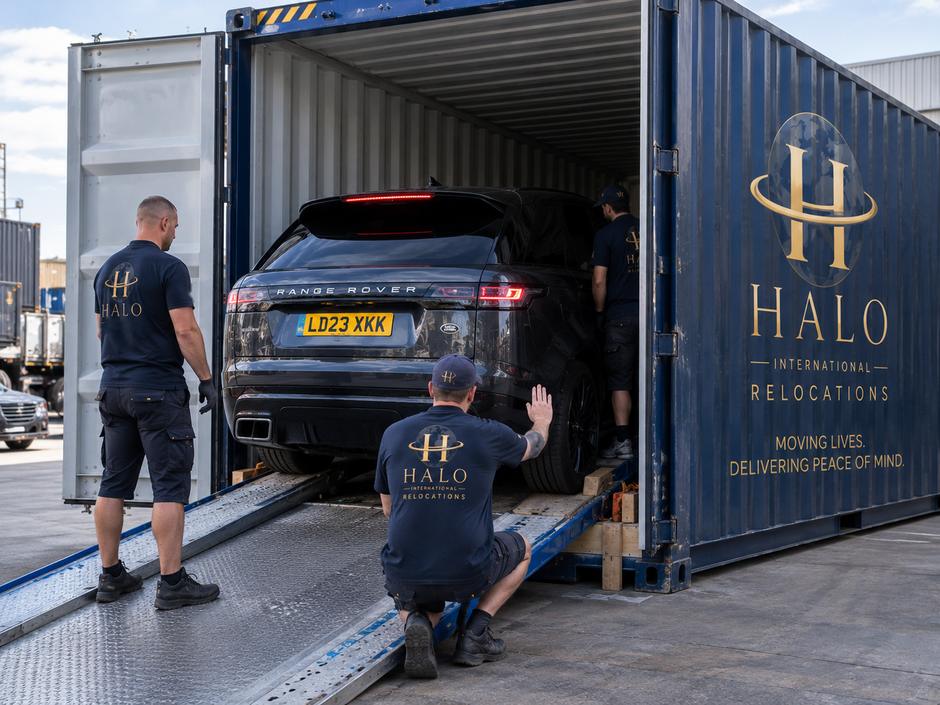
Route first, then method, then the size of the vehicle. RoRo to a well-served port is the cheapest; a crated classic in a sole-use container to an inland address is many times that. If you are already shipping a household, adding the car to that container is usually far cheaper than sending it separately, and that is the first thing we will check.
Should I ship my car at all?
Often, honestly, no. Between the freight, the import duty, the compliance work and the local registration, you can end up paying more than the car is worth and more than an equivalent vehicle costs locally. Where that is true we will say so. It is a different calculation entirely for a classic, something rare, or a car you are attached to.
Can I put belongings in the car?
Not on RoRo — the vehicle must be completely empty, and terminals do check. In a container, often yes, but everything must be declared on the inventory and some countries prohibit it outright. Undeclared goods found in a car are the fastest way to turn a routine clearance into an examination.
How long does it take?
Three to twelve weeks door to door depending on the route, plus whatever the approvals take at your end. Australia in particular requires import approval before the vehicle can be loaded, and that is measured in weeks. Start earlier than you think you need to.
What about my number plate and road tax?
You keep the registration number only if you retain it on a certificate before exporting, which has to be done while the vehicle is still UK-registered. Tax and insurance run until the car leaves, then you notify the DVLA using the export section of the V5C and any remaining tax is refunded.
Can you ship a car that doesn't run?
Yes, in a container — it is winched in rather than driven. RoRo is not an option for a non-runner. Restoration projects, accident-damaged vehicles and barn finds all travel regularly, and they need crating and careful securing rather than anything exotic.
Is an electric car any different?
Considerably. The battery is classified as dangerous goods, carriers set a maximum state of charge, some vessels will not take EVs at all, and a few destinations restrict them. It is all workable, but only if we know at the quotation stage rather than on collection day.
Do you ship motorcycles on their own?
Regularly. Bikes are drained, the battery disconnected, and each one crated to export standard before sharing a container with others going the same way. It is one of the more economical things we ship, and a common first enquiry from people who are not moving house at all.